Seg à Sex 9h - 18h

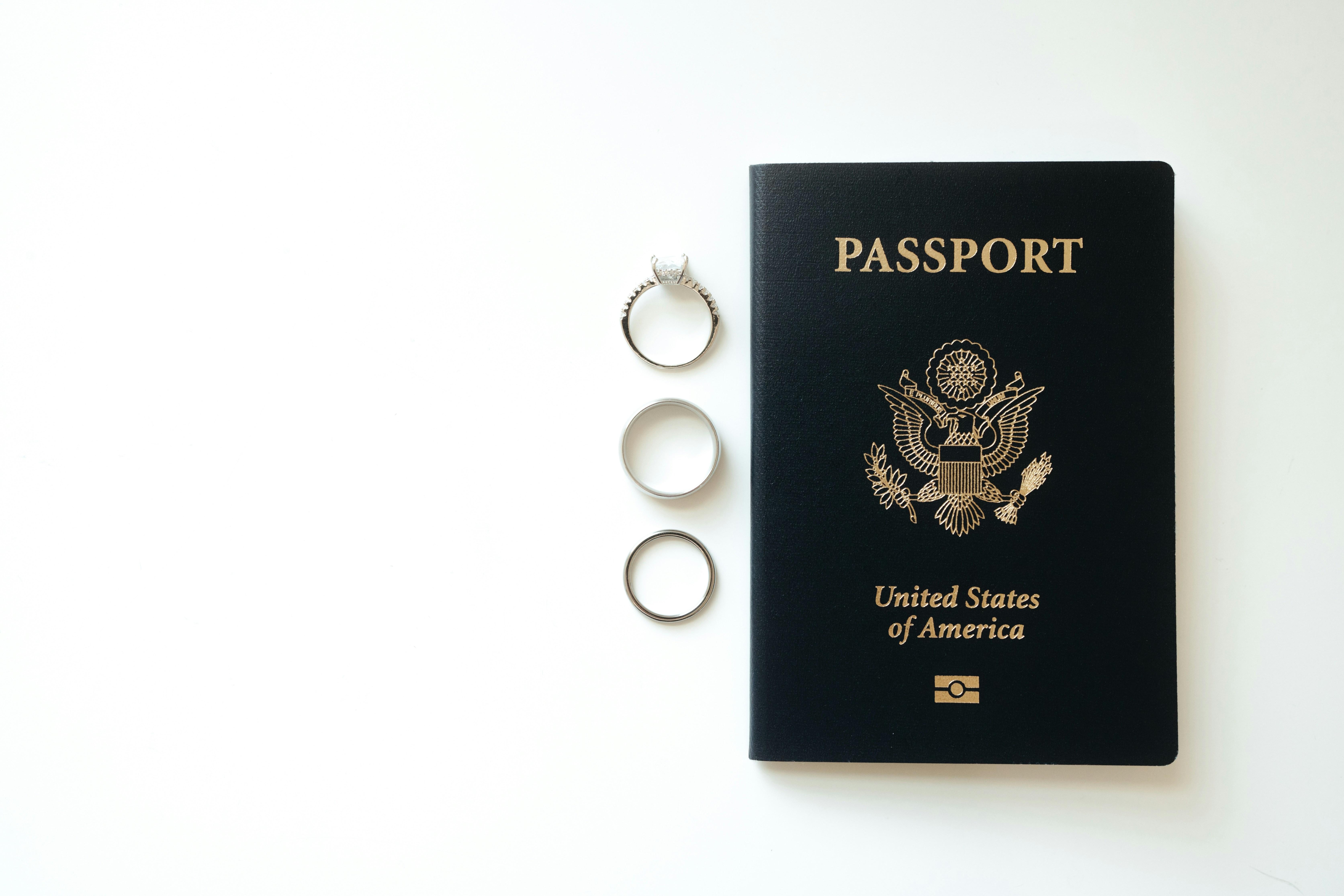
The increasing globalization of personal and professional lives has led to a significant rise in multicultural families and expatriates establishing roots in Brazil. This vibrant and dynamic country offers immense opportunities, but for foreigners, navigating its legal landscape can be a formidable challenge, especially in the sensitive area of family law. The Brazilian legal system, rooted in Civil Law traditions, operates on principles often starkly different from the Common Law systems found in countries like the United States, the United Kingdom, and Australia.
For this reason, matters of marriage, divorce, and child custody can become complex minefields for foreigners and expats who are unprepared. A lack of understanding regarding marital property regimes, the specific procedures for an international divorce, or the strict rules governing international travel with children can lead to unforeseen legal complications, financial losses, and significant emotional distress. The assumption that legal processes will mirror those of one's home country is a common and costly mistake.
It is within this context that specialized legal guidance becomes not just a benefit, but a necessity. Understanding how Brazilian courts handle the division of assets, determine child support, and recognize foreign court orders is crucial for protecting your rights and ensuring the well-being of your family. Without proper legal counsel, foreigners may find themselves at a severe disadvantage, unable to effectively navigate the intricacies of the local system.
This article aims to provide a comprehensive guide to Brazilian Family Law for Foreigners & Expats. We will explain the critical aspects of getting married in Brazil, the profound implications of different property regimes, the step-by-step process for obtaining a divorce, and the essential rules surrounding child custody and support. Our goal is to equip you with the foundational knowledge needed to make informed decisions and seek the right legal support to safeguard your interests in Brazil.
For a foreigner, getting married in Brazil involves a bureaucratic process that requires careful preparation and attention to detail. The marriage is conducted at a Civil Registry Office (Cartório de Registro Civil) and requires specific documentation from the foreign party, which must be properly notarized, apostilled in its country of origin, and translated into Portuguese by a certified sworn translator (tradutor juramentado).
While the list can vary slightly between states, the essential documents typically required for the foreign national include:
All foreign documents must go through the Apostille Convention certification process (or legalization at a Brazilian consulate if the country is not a signatory) to be considered valid in Brazil. Once in Brazil, they must be translated by a sworn translator. The process at the cartório involves submitting these documents, publishing marriage banns, and then scheduling the civil ceremony. It is a process that demands advance planning, often taking several weeks or even months to complete.
Perhaps the most critical decision for any couple getting married in Brazil, especially for foreigners with assets abroad, is the choice of a marital property regime (regime de bens). This choice will dictate how assets are owned during the marriage and, more importantly, how they will be divided in the event of a divorce. If no specific choice is made, the default regime is automatically applied.
Facing a family law matter in Brazil as a foreigner?
Contact us at contato@limaepereira.com.br or call +55 (41) 3149-5540.
When a marriage involving a foreigner ends, the divorce can be processed in Brazil, even if the marriage was celebrated in another country. The process can be either consensual or contested.
A crucial point for foreigners is that it is possible to handle a divorce in Brazil remotely. By granting a specific power of attorney to a qualified Brazilian lawyer, an individual can be represented in all judicial or extrajudicial proceedings without needing to be physically present in the country.
For expatriate and multicultural families, issues of child custody and support are of paramount concern. Brazilian law is guided by the Principle of the Best Interests of the Child.
A common question from foreigners is whether a divorce decree issued by a court in their home country is automatically valid in Brazil. The answer is no. For a foreign divorce decree (or any foreign judgment, such as one concerning custody or support) to be legally effective in Brazil, it must undergo a process of recognition known as Homologation of a Foreign Decision (Homologação de Decisão Estrangeira).
This process is adjudicated by the Superior Tribunal de Justiça (STJ), one of Brazil's highest courts. The STJ does not re-examine the merits of the foreign case; rather, it verifies that the foreign decision meets certain formal requirements, such as having been issued by a competent authority, ensuring the defendant was properly served, and not violating Brazilian public policy. Once homologated, the foreign decree has the full force of a Brazilian court order and can be used to remarry, transfer property, and enforce custody rights within Brazil.
Navigating Brazilian family law is a complex endeavor fraught with unique challenges for foreigners and expatriates. The differences in legal systems, the language barrier, and the specific bureaucratic procedures make professional legal assistance indispensable. An experienced Brazilian lawyer who specializes in international family law can provide invaluable guidance, from choosing the correct marital property regime before marriage to representing your interests in a divorce or custody dispute.
Engaging with a law firm that understands the nuances of cross-border legal issues ensures that your rights are protected, that you comply with all local regulations, and that you can achieve the best possible outcome for you and your family. Whether you are planning a future in Brazil or facing the end of a relationship, proactive and specialized legal counsel is your most important asset.
Protect Your Family's Rights in Brazil
Our team guides foreigners and expats through every stage — from prenuptial agreements and property regimes to custody disputes and international travel authorizations. Schedule a confidential consultation today.